
How to Choose the Right Fee-Based Financial Advisor in Greenwood Village
A Guide to Fiduciary and Transparent Wealth Management
By Scott Tremlett, Paramount Associates Wealth Management
Selecting the right financial advisor is a crucial decision that can significantly impact your financial future. In Greenwood Village, where the financial landscape is diverse, understanding how to choose a fee-based financial advisor is essential. This guide will help you navigate the complexities of financial advising, focusing on fiduciary responsibility and transparency. You will learn about the importance of fiduciary duty, the benefits of fee transparency, and the core services offered by financial advisors. Additionally, we will explore how local expertise and personalized guidance can enhance your financial planning experience. By the end of this article, you will be equipped with the knowledge to make informed decisions when selecting a financial advisor.
Fiduciary Responsibility
Fiduciary responsibility refers to the legal obligation of financial advisors to act in their clients' best interests. This principle ensures that advisors provide unbiased advice and prioritize their clients' financial well-being over their own profits. A fiduciary financial advisor is committed to transparency and ethical practices, which fosters trust and confidence in the advisor-client relationship. Understanding fiduciary duty is crucial when selecting a financial advisor, as it directly impacts the quality of advice and service you receive.
The importance of this ethical standard is highlighted by the inherent challenges in wealth management, where potential conflicts of interest can arise. Wealth Management: Addressing Conflicts of Interest
Agency problems (information asymmetry, conflicts of interest and opportunistic agent behavior) are universal. In banking, and in wealth management in particular, the problem of moral hazard frequently arises in relations between a bank (or its employees) and its clients.
Do wealth managers understand codes of conduct and their ethical dilemmas?
Lessons from an online survey, E Lombard, 2024
Paramount Associates exemplifies this fiduciary standard by operating as a fee-based Registered Investment Advisor (RIA). They emphasize transparency in their revenue generation, ensuring clients are aware that their compensation comes solely from advisory fees rather than commissions or product sales. This commitment to fiduciary duty protects your financial interests and aligns the advisor's incentives with your goals.
Fee Transparency
Fee transparency is a critical aspect of financial advising that allows clients to understand how their advisors are compensated. Different fee structures exist, including hourly rates, flat fees, and percentage-based fees on assets under management. Understanding these models helps clients evaluate the true cost of financial advice and make informed decisions.
At Paramount Associates, the fee-based structure means clients pay a clear advisory fee, which promotes transparency and trust. This model contrasts with commission-based advisors, who may have conflicts of interest due to their compensation structure. By choosing a fee-based advisor, clients can ensure that their financial interests are prioritized.
This model of compensation is increasingly recognized for its ability to align advisor and client interests.
Adopting a Fee-Based Financial Advisory Model
retail bank customers' intentions to adopt the fee‐based advisory model as a new remuneration scheme to pay for their financial advice. Knowledge of these drivers is of particular
Customer intention to adopt a fee‐based advisory model:
An empirical study in retail banking, AOI Hoffmann, 2012
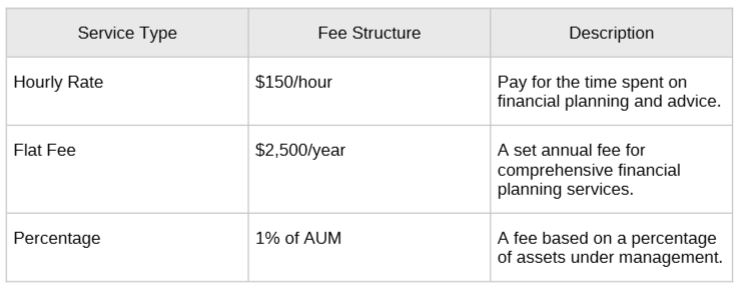
This comparison highlights the implications of different fee structures, allowing clients to choose the model that best fits their financial situation.
Core Financial Planning Services
Financial advisors offer a range of essential services that can help clients achieve their financial goals. These services typically include:
Comprehensive Financial Planning: Advisors assess clients' financial situations and develop tailored plans to meet their objectives.
Investment Management: Advisors manage investment portfolios, ensuring alignment with clients' risk tolerance and financial goals.
Retirement Planning: Advisors help clients prepare for retirement by creating strategies to maximize savings and income during retirement years.
Understanding these core services is vital for clients seeking to engage a financial advisor who can address their specific needs.
Local Expertise
Local expertise plays a significant role in effective financial advising. Advisors familiar with the Greenwood Village area can provide insights into local economic factors, regulations, and investment opportunities. This knowledge allows them to tailor financial strategies that align with the unique circumstances of their clients.
By leveraging local expertise, financial advisors can help clients navigate the complexities of the financial landscape in Greenwood Village, ensuring that their financial plans are relevant and effective.
Personalized Guidance
Personalized guidance is essential for effective financial planning. Each client's financial situation is unique, and a one-size-fits-all approach often falls short. A good financial advisor will take the time to understand your specific goals, risk tolerance, and financial circumstances.
This tailored approach ensures that the financial strategies developed are aligned with your individual needs, providing ongoing support and adjustments as your situation evolves. Personalized guidance fosters a strong advisor-client relationship, enhancing the overall financial planning experience.
Initial Consultation
The initial consultation with a financial advisor is a critical step in the selection process. During this meeting, potential clients should expect to discuss their financial goals, current financial situation, and any concerns they may have. It is also an opportunity to assess the advisor's communication style and approach to financial planning.
Key questions to ask during the initial consultation include:
What is your fiduciary status?
How are you compensated?
What services do you offer?
These questions will help you gauge the advisor's commitment to transparency and their ability to meet your financial needs.
What Defines a Fee-Based Financial Advisor in Colorado?
In Colorado, a fee-based financial advisor operates under a model that emphasizes transparency and fiduciary responsibility. This model allows clients to understand how their advisors are compensated, ensuring that their interests are prioritized. Fee-based advisors typically charge a flat fee, hourly rate, or a percentage of assets under management, providing clarity on costs.
This structure contrasts with commission-based advisors, who may have incentives to recommend specific products or services. By choosing a fee-based advisor, clients can ensure that their financial planning is aligned with their best interests.
How Does Fee-Based Compensation Ensure Transparency and Trust?
Fee-based compensation models promote transparency and trust between clients and advisors. By clearly outlining how they are compensated, advisors can eliminate potential conflicts of interest that may arise in commission-based structures. This transparency fosters a stronger advisor-client relationship, as clients can feel confident that their advisors are acting in their best interests.
Moreover, fee-based compensation aligns the advisor's incentives with the client's financial goals, ensuring that both parties are working towards the same objectives. This alignment is crucial for building trust and confidence in the advisor's recommendations.
What Are the Benefits of Choosing a Registered Investment Advisor?
Choosing a Registered Investment Advisor (RIA) offers several advantages for clients seeking financial guidance. Key benefits include:
Indeed, the legal framework for RIAs, particularly under the 1940 Act, underscores their commitment to client welfare.
Colorado Investment Advisors: Understanding Fiduciary Duty
registered investment advisors as defined under the 1940 Act. Under the 1940 Act, registered investment advisors are fiduciaries
The Financial Industry Killed the Fiduciary Rule: Now What Do Advisors Do?, 1940
Fiduciary Duty: RIAs are legally obligated to act in their clients' best interests, providing unbiased advice.
Comprehensive Services: RIAs typically offer a wide range of financial planning and investment management services.
Personalized Advice: RIAs take the time to understand each client's unique financial situation, tailoring their recommendations accordingly.
These benefits make RIAs a compelling choice for individuals seeking trustworthy and effective financial advice.
Why Is Fiduciary Duty Crucial When Selecting a Financial Advisor in Greenwood Village?
Fiduciary duty is crucial when selecting a financial advisor because it ensures that the advisor is legally obligated to act in the client's best interests. This commitment to ethical practices fosters trust and confidence in the advisor-client relationship. In Greenwood Village, where financial decisions can significantly impact one's future, working with a fiduciary advisor is essential for safeguarding your financial well-being.
By prioritizing fiduciary duty, clients can ensure that their financial advisors provide unbiased advice and recommendations that align with their goals.
How Does Fiduciary Responsibility Protect Your Financial Interests?
Fiduciary responsibility protects your financial interests by ensuring that your advisor prioritizes your needs above their own. This commitment to ethical practices means that fiduciary advisors are required to disclose any potential conflicts of interest and provide transparent information about their compensation.
By working with a fiduciary advisor, clients can feel confident that their financial decisions are based on sound advice that aligns with their best interests, ultimately leading to better financial outcomes.
What Questions Should You Ask to Verify Fiduciary Status?
When selecting a financial advisor, it is essential to verify their fiduciary status. Key questions to ask include:
Are you a fiduciary?
How do you disclose potential conflicts of interest?
What is your compensation structure?
These questions will help you assess the advisor's commitment to fiduciary duty and ensure that they prioritize your financial well-being.
How to Evaluate Transparent Financial Planning Services in Denver Metro Area?
Evaluating transparent financial planning services involves assessing the advisor's fee structure, fiduciary status, and the range of services offered. Clients should seek advisors who provide clear information about their compensation and are willing to discuss potential conflicts of interest.
Additionally, understanding the advisor's approach to financial planning and their ability to tailor strategies to individual needs is crucial. By focusing on transparency, clients can make informed decisions when selecting a financial advisor in the Denver Metro area.
What Should You Expect from Long-Term Financial Advisors in Colorado?
Long-term financial advisors in Colorado should provide ongoing support and guidance as clients navigate their financial journeys. Key expectations include:
Regular Communication: Advisors should maintain open lines of communication, providing updates on financial performance and market conditions.
Proactive Planning: Advisors should anticipate changes in clients' financial situations and adjust strategies accordingly.
Comprehensive Services: Long-term advisors should offer a wide range of services, including investment management, retirement planning, and estate planning.
By setting these expectations, clients can ensure that their long-term financial advisors provide the support and guidance necessary for achieving their financial goals.
How Does Paramount Associates Demonstrate Ethical Wealth Management?
Paramount Associates demonstrates ethical wealth management through its commitment to fiduciary duty and fee-only compensation. By prioritizing transparency and client interests, the firm fosters trust and confidence in its advisory services. Their comprehensive financial planning approach ensures that clients receive tailored advice that aligns with their unique financial goals.
This dedication to ethical practices sets Paramount Associates apart as a trusted partner in wealth management, providing clients with the assurance that their financial well-being is the top priority.
What Are the Key Questions to Ask When Choosing Your Financial Advisor?
When choosing a financial advisor, consider asking the following key questions:
What is your investment philosophy?
How do you measure success for your clients?
What are your qualifications and experience?
These questions will help you assess the advisor's approach to financial planning and ensure that their philosophy aligns with your financial goals.
How to Assess Advisor’s Compensation Model and Service Offerings?
Assessing an advisor's compensation model and service offerings involves understanding how they charge for their services and the range of services provided. Key considerations include:
Fee Structure: Determine whether the advisor operates on a fee-only, commission- based, or hybrid model.
Service Range: Evaluate the breadth of services offered, including financial planning, investment management, and tax planning.
Transparency: Ensure that the advisor provides clear information about their fees and any potential conflicts of interest.
By carefully evaluating these factors, clients can make informed decisions when selecting a financial advisor.
What Indicators Show Commitment to Client-Centered Financial Planning?
Indicators of a commitment to client-centered financial planning include:
Personalized Strategies: Advisors who take the time to understand individual client needs demonstrate a client-centered approach.
Ongoing Support: Advisors who provide regular check-ins and updates show dedication to their clients' financial well-being.
Transparent Communication: Advisors who openly discuss fees, services, and potential conflicts of interest prioritize client interests.
These indicators can help clients identify financial advisors who are genuinely committed to their success.
To ensure a well-rounded financial strategy, consider exploring options for business planning, which can be integral to your overall wealth management.
For those looking ahead, retirement planning is a cornerstone of securing your financial future, ensuring you're prepared for the years to come.
Moreover, understanding estate planning options can help you protect your assets and provide for your loved ones.
At Paramount Associates, we believe that a well-managed portfolio is key to achieving long- term financial success.